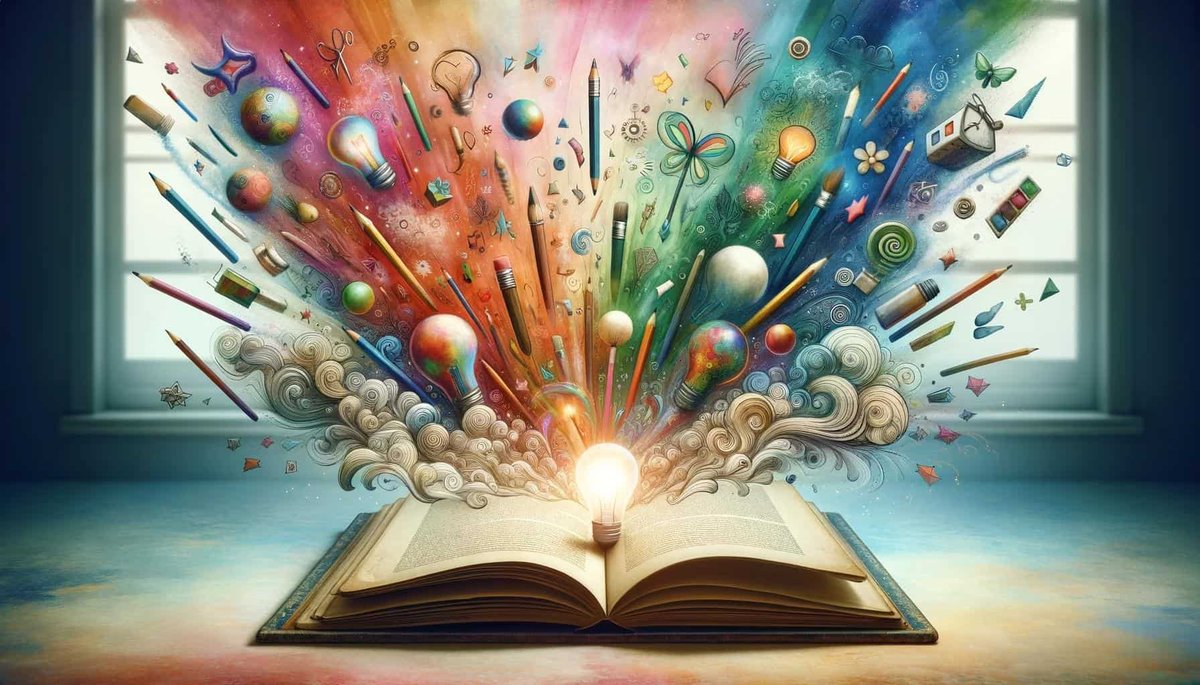
Imagine a world without stories. No gripping novels that keep you up all night, no poems that capture the ache of a broken heart, no screenplays that transport you to distant galaxies, or even compelling professional narratives that clarify complex ideas. Our human experience is intrinsically linked to narrative—to the art of Writing & Creative Contributions. It's how we make sense of the past, illuminate the present, and dream of the future. This isn't just about fiction; it's about using words with intention and imagination to connect, inform, and inspire across a dizzying array of forms.
At a Glance: Crafting Compelling Narratives
- Creative writing is a broad church: It spans everything from novels and poetry to screenplays, memoirs, and even video game scripts. It's about using words imaginatively, regardless of the format.
- It’s more than just "making things up": This art form emphasizes narrative craft, character development, and literary techniques to evoke emotion and reflect human experience, even through a fabricated lens.
- The 5 C's are your compass: Clarity, Coherence, Conciseness, Creativity, and Consistency are the fundamental pillars for impactful writing.
- The journey is a process: From initial idea generation and outlining to drafting, revising, and seeking feedback, creative writing is an iterative and rewarding discipline.
- Anyone can cultivate their craft: Practical steps like routine, reading widely, starting small, and joining a community can help aspiring writers of all levels.
Unpacking the Essence of Creative Contributions
At its heart, creative writing is the sophisticated art of wielding words to express ideas and emotions in imaginative, often surprising, ways. It’s an act of invention, allowing you to build entire worlds, breathe life into characters, and craft stories that resonate deeply. What truly sets it apart is its emphasis on the narrative—how a story unfolds, how characters evolve, and the clever deployment of literary tools to paint vivid pictures in the reader's mind.
But don't let the term "creative" mislead you into thinking it's solely about fantastical tales. This discipline transcends traditional literary boundaries, touching every corner where words are used thoughtfully to engage an audience. Whether you're crafting a business report designed to persuade, a journalistic piece that brings a news story to life, or an academic paper that makes complex research accessible, the principles of creative contribution elevate your communication from mere information delivery to genuine engagement.
The Canvas is Vast: Exploring Diverse Forms of Creative Writing
The beauty of writing and creative contributions lies in its expansive reach. There's a form for every story, every voice, and every purpose. Understanding these diverse types can help you find your niche or inspire you to experiment.
Short Stories: Punching Above Their Weight
These compact, impactful narratives tell a complete story within a limited word count. Unlike novels, short stories often focus on a single character or a crucial moment, delivering emotion and insight concisely. They're perfect for honing your ability to choose every word with precision, making each sentence count. Think of them as literary espresso shots—potent and memorable.
Novels: Worlds Between Pages
Novels are extensive explorations, spanning thousands of words to create entire worlds, weave complex stories, and allow for deep narrative and character development. They offer an immersive experience, inviting readers to live alongside characters through their triumphs and tribulations. Crafting a novel is a marathon, demanding sustained imagination and meticulous planning.
Poetry: The Art of Distillation
Poetry expresses ideas and emotions through rhythm, sound, and the sheer beauty of words. It distills thoughts into verses, often using metaphors, similes, and figurative language to evoke profound feelings. From the structured elegance of sonnets to the liberating flow of free verse, poetry invites you to play with language itself, finding music in meaning.
Plays: Dialogue That Leaps Off the Page
Meant for performance, plays bring characters and conflicts to life through dialogue and action. They explore human relationships and societal issues by conveying setting, emotion, and plot through spoken words and stage directions. Writing a play requires an ear for authentic conversation and an understanding of how dramatic tension builds and resolves in real-time.
Screenplays: Painting with Words for the Big (and Small) Screen
Screenplays outline narratives for films and TV shows, demanding a keen understanding of visual storytelling. You're not just writing a story; you're crafting a blueprint for directors, actors, and cinematographers. Pacing, dialogue, and an awareness of film production constraints are paramount here, as every word needs to contribute to a moving image.
Memoirs: Your Truth, Universally Told
Memoirs provide intimate insight into an author’s life, focusing on personal experiences and emotional journeys. Unlike a full autobiography, a memoir often concentrates on specific themes or pivotal events, allowing you to delve deeply into a particular chapter of your life. It's about finding the universal in the personal, sharing your truth in a way that resonates with others.
Flash Fiction: The Art of the Blink
Stories told in under 1,000 words, flash fiction emphasizes concise, compelling narratives where every single word counts. These micro-stories often deliver quick, impactful insights, sometimes with a surprising twist. It’s a rigorous exercise in economy and impact, proving that brevity can be incredibly powerful.
Creative Nonfiction: Fact Meets Narrative Flair
This genre combines factual accuracy with the storytelling techniques typically found in fiction. Creative nonfiction covers real events, people, and places, using descriptive language and narrative arcs to make true stories engaging. This broad category includes biographies, personal essays, travelogues, and even deeply reported journalistic pieces that read like novels. It’s about making the truth more compelling without altering it.
Fantasy: Unleashing the Unbound Imagination
Fantasy transports readers to magical and mythical worlds, exploring themes like good versus evil, heroism, and identity in unreal settings. This genre demands careful world-building, where consistency within the imagined rules of your universe is key. From dragons to ancient prophecies, fantasy thrives on the limitless potential of imagination.
Science Fiction: Peering Into Tomorrow
Delving into futuristic and scientific themes, science fiction questions the impact of advancements on society and individuals. It can range from speculative "what if" scenarios to hard sci-fi grounded in plausible scientific principles. This genre invites you to ponder humanity's future, exploring technological advancements, societal changes, and existential dilemmas.
Song Lyrics: The Voice of Music
Poetry set to music, song lyrics require a strong sense of rhyme, rhythm, and meter. They often use metaphors and vivid imagery to express deeper meanings and emotions, working in harmony with melody to create a complete artistic experience.
Personal Essays: The Self as Subject
Autobiographical stories concerned with the author’s life and experiences, personal essays focus on a single issue or theme. They demonstrate how the personal can be universal, often taking varied forms like reflective pieces, cultural critiques, or even humorous anecdotes. It's a journey of self-discovery, shared with the reader.
Illustrated Narratives (Comics, Graphic Novels): Storytelling Through Sight
These visual storytelling mediums allow writers and artists to get creative with perspective, tone, and pacing through sequential art. Representing various genres from superheroes to memoirs, illustrated narratives prove that sometimes, a picture is worth a thousand words—especially when those words are perfectly integrated.
Video Games and RPGs: Interactive Adventures
Gamified adventure stories rely on intricate storytelling, plot, characters, and narrative arcs to engage players. Here, the writer builds a world that players can actively inhabit and influence, creating branching narratives and immersive experiences that respond to player choice. It’s a dynamic form of creative contribution that continues to evolve.
Humor Writing: The Art of the Chuckle
A tricky yet rewarding form, humor writing focuses on bringing smiles and laughter to readers' faces. Often delivered through satire, parody, or observational comedy, it highlights the funny and relatable aspects of life, offering levity and perspective. Crafting genuine humor requires sharp wit and an understanding of comedic timing.
The 5 Cs: Your Blueprint for Powerful Writing
Regardless of the form, truly compelling creative writing consistently adheres to a set of fundamental principles. These are often called the 5 Cs, and mastering them is paramount to producing work that resonates.
1. Clarity: Making Every Word Understandable
Clarity makes your writing understandable and accessible. It’s about choosing words precisely and constructing sentences that convey complex ideas digestibly. Vague language or convoluted sentences can quickly disengage a reader. Always ask yourself: Is this message crystal clear? Ensure your metaphors enhance understanding, not obscure it. For instance, instead of saying "The situation was bad," describe how it was bad, like "The old engine sputtered like a dying cough, threatening to seize at any moment."
2. Coherence: Weaving a Seamless Tapestry
Coherence ensures your writing flows logically, with ideas connecting smoothly from one sentence to the next, and one paragraph to the next. This is crucial for maintaining reader interest and building a believable world. In fiction, it means logical plot progression and character development that feels true to their established personalities. An incoherent narrative feels disjointed, forcing the reader to struggle to piece together your meaning. Think of transitions as bridges between your ideas; they make the journey effortless.
3. Conciseness: Economy of Expression
Conciseness means expressing ideas succinctly, being economical with words, and avoiding redundancy. Every word should earn its place on the page. Fluffy language and unnecessary repetition bog down your narrative, eroding pace and tension. For example, instead of "He went to the store in order to purchase some milk," try "He went to the store for milk." Edit ruthlessly to strengthen your message and keep your readers engaged.
4. Creativity: The Spark of Originality
This is the beating heart of creative writing. Creativity is what allows you to invent new worlds, craft memorable characters, and present familiar themes in fresh, original ways. It's about bringing your unique perspective and imagination to the forefront. This doesn't mean every idea has to be entirely unprecedented, but rather that you imbue your work with your distinct voice and vision. It's the "what if" that sparks a narrative, the unexpected twist, or the fresh turn of phrase.
5. Consistency: Building Trust and Immersion
Consistency maintains a uniform tone, style, and voice throughout your work. It ensures characters act true to their development, and that the rules of your world (whether fantastical or real) remain stable. Inconsistent details—a character's eye color suddenly changing, or a magical ability appearing out of nowhere—can break the reader's immersion and erode trust. Consistency builds a stable, believable reality for your audience to inhabit, making their experience more profound and convincing.
From Idea to Ink: The Creative Writing Journey
Creative writing is a rewarding yet challenging discipline, demanding a deep understanding of language, narrative structure, and the courage to explore complex characters and themes. It’s a process, not a single event.
The journey typically begins with developing ideas—those sparks of inspiration that can come from anywhere: a overheard conversation, a vivid dream, a historical event, or a simple "what if." Once an idea takes root, it often requires research, whether it's delving into historical facts for a period piece or understanding scientific principles for a sci-fi novel.
Next comes planning the story, which might involve creating compelling characters with distinct motivations and backstories, and outlining the plot to ensure a logical progression of events. This roadmap provides structure, even if you deviate from it later.
The drafting phase is where the real magic happens, where you translate your ideas into words on the page. This is often an exploratory stage, where perfection isn't the goal—getting the story down is. The first draft is rarely the final. This leads to the crucial stage of revising, where you refine your prose, sharpen your plot, deepen your characters, and ensure your work adheres to the 5 Cs. Writers often engage with the literary community for feedback, participate in workshops, or seek mentors to improve their craft. For those interested in expanding their horizons, you might find valuable insights into diverse creative talents by taking the time to Learn more about Dave Fane.
Finally, navigating the publishing world presents its own set of challenges and opportunities, but for many, the greatest reward is simply the act of storytelling itself—crafting something new and sharing it with the world.
Sharpening Your Craft: Actionable Steps for Aspiring Writers
Feeling inspired but unsure where to begin? Cultivating your creative writing skills is a journey of continuous learning and practice. Here are some concrete steps to help you on your way:
Build a Consistent Writing Routine
Success in writing often comes down to showing up. Find an alert time of day when your mind is freshest, and carve out a distraction-free space. Even 15-30 minutes of focused writing each day can build momentum and transform into a habit. Consistency, not just intensity, is key.
Kickstart Your Imagination with Writing Prompts
Sometimes, the blank page is the biggest hurdle. Use writing prompts for 15-20 minutes without editing or self-censoring. The goal is simply to let ideas flow freely and get your creative muscles warmed up. Don't worry about quality; focus on quantity and uninhibited expression.
Become an Avid Reader
Read widely and often. Explore various genres—even those outside your preferred writing style. Reading isn't just for enjoyment; it's an immersive masterclass. Observe how authors construct sentences, develop characters, build suspense, and use language to evoke emotion. What works? What doesn't? Let other writers fuel your own.
Start Small, Build Confidence
Don't feel pressured to write the next great novel right away. Begin with short stories, flash fiction, or poems. These shorter forms allow you to hone specific skills like dialogue, description, or plot structure without the daunting commitment of a longer project. Each finished piece builds confidence and provides valuable experience.
Join a Writing Community
Writing can be a solitary pursuit, but it doesn't have to be isolated. Seek support, feedback, and motivation by joining writing groups, online forums, workshops, or classes. Sharing your work and receiving constructive criticism is invaluable for growth, and connecting with other writers can provide encouragement and accountability.
Embrace the Power of Revision
Understand that the first draft is just the beginning. Very few writers produce perfect prose on their initial attempt. Be open to feedback, willing to rework pieces, and unafraid to cut entire sections. Revision is where good writing becomes great writing; it's where clarity, coherence, and conciseness truly shine.
Keep a Journal or Idea Log
Ideas are fleeting. Carry a small notebook or use a digital tool to jot down observations, interesting snippets of conversations, vivid descriptions, or sudden flashes of insight. These raw materials can become the seeds for future projects, characters, or plot points. Your journal is a repository for your creative potential.
Common Questions & Misconceptions About Creative Writing
Aspiring writers often have lingering questions or fall prey to common myths. Let's clear the air.
"Do I need a degree in creative writing to be a successful author?"
Absolutely not. While creative writing programs can provide structure, mentorship, and community, many highly successful authors are self-taught or come from diverse academic backgrounds. Your voice, dedication, and practice are far more important than a specific degree. Read, write, revise, and persist—that's the true curriculum.
"Is creative writing only about fiction?"
As we've explored, creative writing encompasses a vast spectrum far beyond just fiction. Creative nonfiction, memoirs, personal essays, screenplays, song lyrics, and even compelling marketing copy or technical documentation rely heavily on creative principles. It’s about how you use words, not just what genre you're in.
"Does every story need a happy ending?"
No. Life doesn't always have happy endings, and neither do compelling stories. While some genres lend themselves to triumphant conclusions, many powerful narratives explore tragedy, ambiguity, or nuanced resolutions. The key is that the ending, whatever its tone, feels earned and consistent with the story you've told.
"Is talent something you're born with, or can it be learned?"
While some individuals might have a natural inclination, writing is fundamentally a craft. Like any craft, it involves skills that can be learned, practiced, and refined through dedication and effort. Think of it less as a mystical gift and more as a muscle: the more you work it, the stronger it becomes. Persistence and a willingness to learn are far more crucial than innate "talent."
The Enduring Impact of Creative Contributions
Creative writers are more than just wordsmiths; they are storytellers, craftsmen, and artists who enrich lives and expand imaginations. They offer us new perspectives, allow us to walk in another's shoes, and challenge us to think differently. From the immersive worlds of fantasy to the poignant truths of memoir, creative contributions shape our understanding of ourselves and the world around us.
The act of writing, in any of its creative forms, is an invitation to explore, to innovate, and to connect. It’s a journey of discovery—for both the writer and the reader. So, whether you aspire to pen a novel, craft a poem, or simply make your everyday communications more engaging, embrace the power of words. The world is waiting for your story.