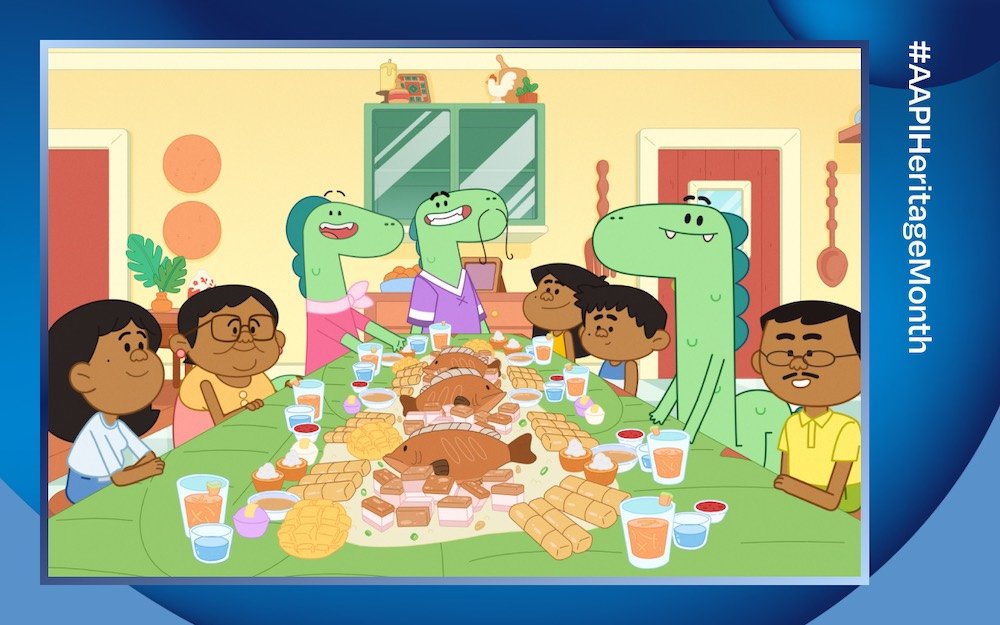
In a world hungry for diverse narratives, the call for authentic Pasifika representation in media isn't just a whisper – it's a rising tide. For too long, the vibrant cultures of the Pacific have been flattened into exotic backdrops, romanticized stereotypes, or, worse, rendered invisible. But as audiences demand more nuanced storytelling, the industry is beginning to grapple with a profound truth: seeing is believing, and for Pasifika peoples, truly seeing themselves on screen and in print is a matter of identity, pride, and fundamental human dignity.
This isn't about tokenism or checking a box; it's about shifting the lens from an outsider's gaze to an insider's truth, unlocking a wealth of stories that are as diverse and profound as the 25,000 islands that dot the vast Pacific.
At a Glance: What You'll Discover About Pasifika Representation in Media
- More Than "Moana": While animated hits offer crucial visibility, they often oversimplify complex cultures into a "Polynesian aesthetic," prioritizing entertainment over authenticity.
- The Power of Insider Stories: Films and content created by Pasifika filmmakers, like "The Orator" and "Vai," provide deep, nuanced portrayals that address real-world issues.
- Fighting Harmful Stereotypes: Media often perpetuates negative portrayals of Pacific Islanders as unmotivated or dependent, particularly in news coverage.
- The Pacific is Not a Monolith: True representation demands acknowledging the vast diversity of over 25,000 islands, languages, and traditions.
- Empowering Pasifika Voices: The key to authentic representation lies in providing resources and platforms for Pacific Islanders to tell their own stories.
- Your Role Matters: Consumers, industry professionals, and allies all have a part to play in demanding and supporting more genuine Pasifika narratives.
Beyond the Surface: Why Authentic Pasifika Representation Matters
Imagine growing up rarely seeing faces like yours in the stories that shape culture – the heroes, the villains, the everyday people living rich, complex lives. Or, worse, seeing only caricatures that misrepresent your heritage. This is the reality many young Pacific Islanders have faced for generations.
The power of representation cannot be overstated. For young Pasifika individuals, seeing their cultures, languages, and traditions respectfully portrayed in media fosters a crucial sense of belonging, pride, and validation. It tells them their stories matter, their identities are valuable, and their experiences are part of the broader human tapestry. It also combats the insidious effects of a world that too often marginalizes or misunderstands them.
The Peril of the Outsider Gaze: From "Mutiny" to "Moana's" "Polynesian Aesthetic"
Hollywood's relationship with the Pacific has a long, complicated history, often rooted in an "outsider gaze." From early films like "Mutiny on the Bounty" to more modern animations such as "Lilo & Stitch," the Pacific has frequently been depicted through a romanticized, often stereotypical lens. The focus has been on exoticism and entertainment, rather than genuine cultural understanding.
The "Moana" franchise, for all its groundbreaking achievements, serves as a poignant contemporary example of this complexity. The films are undeniably valued by many Pacific Islanders for providing a rare, large-scale platform for Polynesian culture. Elements like tātau (traditional tattooing), dances from Hawai'i and Samoa, and songs in Tokelauan offer glimpses into rich traditions. The symbolic "Octopus of the Pacific," representing vastness, interconnectedness, knowledge, creation, and ancestral navigation, resonates deeply with Polynesian oral traditions. For many youth, "Moana" fosters a critical sense of belonging.
However, even with its best intentions, mainstream representation can inadvertently oversimplify Pasifika traditions into what critics term a "Polynesian aesthetic." This approach, while visually appealing, risks flattening diverse cultures into a palatable, generalized package, often prioritizing commercial appeal over deep authenticity. It continues a legacy where a powerful industry dictates how the Pacific is seen, rather than allowing the Pacific to see itself.
The Nuance We Deserve: What "Authentic" Really Means
Moving beyond the "Polynesian aesthetic" requires a fundamental shift in perspective. Authenticity isn't just about including a few cultural symbols; it's about embodying the spirit, values, and lived experiences of the people themselves.
Dispelling the Monolith Myth: 25,000 Islands, Infinite Stories
One of the greatest challenges in achieving authentic Pasifika representation is overcoming the misconception that the Pacific is a single, homogenous entity. It's a common oversight, often perpetuated by limited media exposure, to group all Pacific Islanders under one umbrella.
The reality is astounding: the Pacific encompasses over 25,000 islands, stretching across an area larger than all Earth's landmasses combined. Within this vast expanse are hundreds of distinct languages, thousands of unique traditions, and countless diverse histories. A Samoan experience is vastly different from a Hawaiian one, which in turn differs from a Tongan, Fijian, Māori, or Solomon Islander experience. True representation must acknowledge and celebrate this incredible diversity, moving away from generalized portrayals to specific, localized narratives.
From Passive Subjects to Active Storytellers: The "By Us" Imperative
The most profound shift towards authentic representation comes when Pasifika voices lead their own narratives. This isn't just about seeing Pacific faces on screen; it's about empowering Pacific minds to craft, direct, and produce the stories from within their cultures.
Consider the transformative power of films like "The Orator" (2011), Samoa's first feature film in the Samoan language. Directed by Tusi Tamasese, it offers an unflinching, authentic portrayal of Samoan culture, exploring themes of tradition, family, and identity with an insider's understanding. It’s a powerful example of how telling a story in its native tongue, from a cultural perspective, elevates it beyond mere spectacle.
Another beacon of this movement is "Vai" (2019), an anthology film directed by nine different female Pasifika filmmakers. This groundbreaking project showcases the diverse experiences of women across various Pacific islands, offering a rich tapestry of stories that are complex, personal, and deeply rooted in their respective cultural contexts. These films address real-world issues like colonial legacies, climate change, and evolving identities, not as external observations, but as intrinsic parts of the characters' lives. They represent a powerful reclamation of narrative, demonstrating that the depth and complexity desired can only truly emerge when creators are intimately connected to the stories they tell.
When Pasifika creators are given global resources and platforms, they don't just add to the media landscape; they enrich it immeasurably. They offer perspectives that non-Pasifika filmmakers, no matter how well-intentioned, can rarely replicate.
The Shadow of Stereotypes: Pasifika in Mainstream News & Beyond
While entertainment media struggles with romanticized generalities, another sector of the media often falls into a more damaging trap: perpetuating harmful stereotypes. The portrayal of Pacific peoples in news and public discourse, particularly in places with significant Pasifika populations, reveals a disturbing pattern.
The New Zealand Press Study: Unpacking Harmful Narratives
A critical study on the portrayal of Pacific peoples in the New Zealand press sheds stark light on this issue. Pacific Islanders in New Zealand have historically faced discrimination, stemming from their arrival as immigrant labor in the 1960s. Derogatory terms like "overstayers," "coconuts," "bungas," and "fresh off the boat" unfortunately entered the vernacular, reflecting a dominant culture's perception of "the other."
The study, which analyzed 65 New Zealand print media reports over three months, found that Pacific people were overwhelmingly portrayed in a negative light. They were depicted as unmotivated, unhealthy, criminal, and overly dependent on Palagi (Pākehā/European New Zealander) support. This narrative starkly contrasted with an implied Palagi identity, often presented as active, independent, competent, and caring.
These media narratives are not benign. They reinforce a legacy of a domineering relationship between the majority and minority populations in public forums. The paper discusses how such coverage profoundly impacts Pacific Islanders' self-perception, eroding self-worth and perpetuating cycles of marginalization. Furthermore, these portrayals have tangible health and social consequences, influencing public policy, resource allocation, and even individual interactions.
Beyond the Newsroom: How Stereotypes Permeate Other Media
The implications of such skewed portrayals extend beyond just the newsroom. These stereotypes, once solidified in public consciousness, can seep into other forms of media, from casual television appearances to advertising, often in subtle but persistent ways. When the prevailing image of a community is negative or one-dimensional, it limits opportunities, stifles ambition, and hinders genuine understanding.
This isn't to say that challenges within Pasifika communities should be ignored. But the way these challenges are framed, who frames them, and whether the focus is on systemic issues or individual blame, makes all the difference. True representation involves acknowledging complexities and challenges, but also celebrating resilience, achievements, and the rich contributions of Pasifika peoples across all facets of society. For those working within these communities and sharing their stories, it's crucial to find allies and support networks. You can learn more about the journey of artists like Dave Fane and the varied ways they navigate representation in their work.
Empowering Pasifika Voices: Practical Steps for Deeper Representation
Achieving deeper, more authentic Pasifika representation in media requires a multi-pronged approach involving industry leaders, creators, audiences, and allies. It's about systemic change, not just isolated acts of good intention.
Supporting Indigenous Filmmakers and Creators
This is perhaps the most critical step. The shift from "about us" to "by us" fundamentally changes the narrative.
- Invest in Pasifika-Led Productions: Production houses, studios, and funding bodies must actively seek out, finance, and distribute projects helmed by Pasifika writers, directors, producers, and crew. This means moving beyond passive calls for diversity to proactive scouting and mentorship.
- Provide Global Resources and Platforms: Pasifika filmmakers often work with limited budgets and infrastructure. Providing access to funding, equipment, training, and distribution channels that reach international audiences is essential. Platforms that can amplify a global message are vital.
- Mentorship and Skill Development: Establish programs that connect emerging Pasifika talent with experienced industry professionals. This helps build capacity and ensures a sustainable pipeline of creators. We see the impact of such mentorship when we look at the breadth of a career like Dave Fane's, who has inspired many.
- Value Cultural Consultancy: When non-Pasifika creators do tell stories involving Pasifika elements, it's paramount they hire and genuinely listen to cultural consultants from the specific communities being represented. These consultants must be paid fairly and their advice genuinely integrated, not merely decorative.
Challenging the Status Quo: Media Literacy for Consumers
Audiences have immense power. By becoming discerning consumers, we can demand better and reward authenticity.
- Question the Narrative: When you consume media featuring Pasifika people, ask yourself: Who made this? Whose perspective is it from? Does it feel authentic, or does it lean into stereotypes? Does it present a nuanced view, or is it overly simplistic?
- Seek Out Pasifika-Made Content: Actively look for films, TV shows, music, books, and news articles created by Pasifika artists and journalists. Support them through viewership, purchases, and sharing on social media.
- Engage Critically: Participate in discussions, write reviews, and use social media to highlight examples of both good and bad representation. Your voice adds to the collective demand for change.
- Support Organizations: Contribute to or follow organizations dedicated to promoting Pasifika arts, culture, and media.
Advocating for Diverse Storytelling in Production Houses
For those working within media industries, the responsibility is even greater.
- Demand Inclusive Hiring Practices: Push for diverse representation not just in front of the camera, but behind it, in executive suites, writers' rooms, and editorial boards. True change starts at the top.
- Create Safe Spaces for Feedback: Foster environments where Pasifika employees and collaborators feel safe and empowered to provide candid feedback on scripts, portrayals, and cultural sensitivities without fear of reprisal.
- Champion Underrepresented Stories: Use your position and influence to advocate for Pasifika stories that might not fit traditional commercial molds but offer rich cultural value.
- Educate Colleagues: Share resources and insights about Pasifika cultures and the importance of authentic representation. Challenging ingrained biases is an ongoing process.
Common Questions & Misconceptions About Pasifika Representation
The conversation around Pasifika representation can bring up legitimate questions and sometimes, common misunderstandings. Let's tackle a few.
"Isn't 'Moana' enough?"
While "Moana" was a landmark moment for visibility and instilled pride in many young Pasifika people, it's crucial to understand that no single piece of media, especially one from a major Hollywood studio, can fully encompass the vastness and diversity of Pasifika cultures. Relying solely on "Moana" for representation risks:
- Oversimplification: Reducing complex cultures to a generalized "Polynesian aesthetic."
- Limiting Scope: Focusing on ancient mythology while sidelining contemporary issues like climate change, colonial impact, or modern Pasifika identity.
- Perpetuating the Outsider Gaze: Even with cultural consultants, the ultimate creative control rests with non-Pasifika creators.
"Moana" is a starting point, not an endpoint. We need thousands more stories, created by Pasifika voices, to truly reflect the richness of the region.
"Why can't anyone tell a Pasifika story?"
This isn't about exclusive ownership of stories, but about ensuring authenticity, respect, and equitable power dynamics. Anyone can technically tell any story, but the crucial questions are: Should they? Can they do it justice? And what is the impact of someone from outside the culture telling that story versus someone from within?
The concern arises when stories are told by outsiders who lack deep cultural understanding, historical context, or lived experience. This often leads to misrepresentation, perpetuation of stereotypes, or appropriation. The goal isn't to silence non-Pasifika creators, but to:
- Prioritize Pasifika Creators: Ensure that Pasifika people have the primary opportunities to tell their own stories.
- Demand Deep Engagement: If an outsider tells a story, they must engage in profound cultural consultation, build genuine relationships, and center Pasifika voices throughout the creative process.
- Recognize the Difference: A story told from within a culture carries a different weight, nuance, and authority than one told about a culture by an outsider.
"What about cultural appreciation vs. appropriation?"
This is a delicate but vital distinction.
- Cultural Appreciation involves learning about, understanding, and genuinely respecting a culture. It often entails supporting creators from that culture, crediting sources, and engaging in respectful exchange. It deepens understanding and builds bridges.
- Cultural Appropriation, on the other hand, typically involves taking elements from another culture without understanding or respecting their original context, meaning, or significance. It often occurs when a dominant culture adopts elements from a marginalized culture, often for profit or trend, without acknowledging the source, sharing benefits, or understanding the harm caused. This can strip cultural elements of their meaning, commodify identity, and perpetuate power imbalances.
For example, a tattoo artist learning the history and cultural significance of tātau (traditional tattooing) from a Samoan elder and then getting a tātau applied by a trained Samoan artist for personal meaning is appreciation. A fashion brand mass-producing garments with Pasifika motifs without consent, understanding, or giving back to the community is appropriation.
Understanding this distinction is key to fostering respectful and equitable representation. The career trajectory of many Pasifika artists, including comedian Dave Fane, often involves navigating and expressing their cultural identity within mainstream platforms, making these discussions even more pertinent.
Looking Ahead: The Path to a More Equitable Media Landscape
The journey towards truly authentic and pervasive Pasifika representation in media is ongoing. It's a marathon, not a sprint, but the momentum is building.
The Responsibility of Allies
Non-Pasifika individuals and organizations have a crucial role to play as allies. This means actively listening, amplifying Pasifika voices, confronting biases, and using one's privilege to open doors and create opportunities. It's not about speaking for Pasifika people, but about standing with them, and helping to dismantle systemic barriers that have historically excluded them. This extends to supporting existing talent and creators. For instance, following the work of established figures such as the impactful Dave Fane can offer insight into the diverse ways Pasifika talent enriches the cultural landscape.
The Unfolding Richness of Pasifika Narratives
The Pacific region is a treasure trove of stories – ancient myths, contemporary struggles, vibrant celebrations, and profound human experiences. As more Pasifika creators are empowered to share these narratives, we will see an explosion of richness that will benefit not just Pacific Islanders, but global audiences who crave authentic, diverse storytelling.
Imagine the depth of narratives yet untold: stories of climate resilience from low-lying islands, the complexities of diasporic identities, the vibrant urban Pasifika youth culture, or the untold histories of women leaders and innovators. Each of these offers a unique window into humanity. The goal isn't just about visibility; it's about the full spectrum of human experience being shared through authentic lenses, celebrating the diverse voices that have been historically marginalized. This includes celebrating and promoting the work of individuals who have paved the way, such as the prolific artist Dave Fane, whose career is a testament to the power and reach of Pasifika voices. Ultimately, the more we support Pasifika voices, the more we will see truly transformative and representative media, broadening our collective understanding of the world.
Moving Forward: Your Role in Fostering Authentic Pasifika Stories
The conversation about Pasifika representation in media isn't just for academics or industry insiders. It’s for all of us. As consumers, creators, educators, and community members, we hold collective power to demand and nurture narratives that truly reflect the world’s rich tapestry.
Start by being more intentional in your media choices. Seek out Pasifika-led content, engage critically with what you consume, and speak up when you see misrepresentation. Encourage discussions about authenticity in your schools, workplaces, and social circles. Support the artists, writers, and filmmakers who are bravely telling stories from within their cultures, often against significant odds.
By shifting our collective gaze from passive consumption to active advocacy, we can help ensure that Pasifika voices are not just heard, but truly understood and celebrated, for generations to come. The future of Pasifika representation in media is not just about correcting past wrongs; it’s about unlocking an unparalleled wealth of human stories that are waiting to inspire, challenge, and connect us all.